
How to be consistent without motivation: put the habit where you'll see it
Paweł, creator of Habit Bank · 11 min read · Updated October 26, 2026
You can be consistent without motivation if the habit doesn't depend on how you feel when it's due. Motivation peaks when you make the plan and is usually gone by evening. What starts you then is a cue: something in front of you at the right moment. Set up the cue and stop waiting for the mood.
Where is the habit you keep skipping right now?
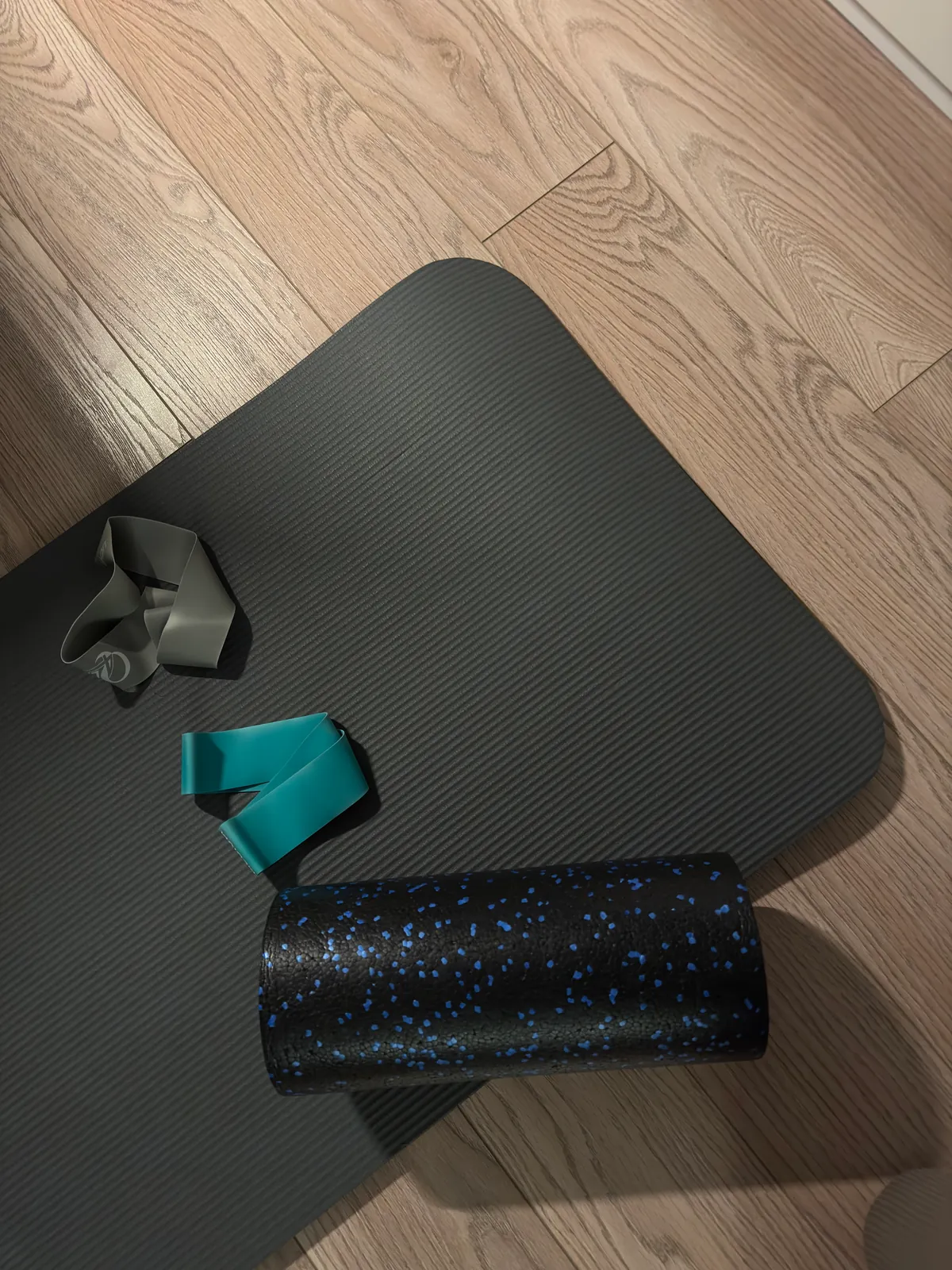
Here is a plan that dies in a single day.
- tonight: run, read, stretch
7:30 am
On the bus you plan the evening: a run, ten pages, stretching. From here it all looks easy.
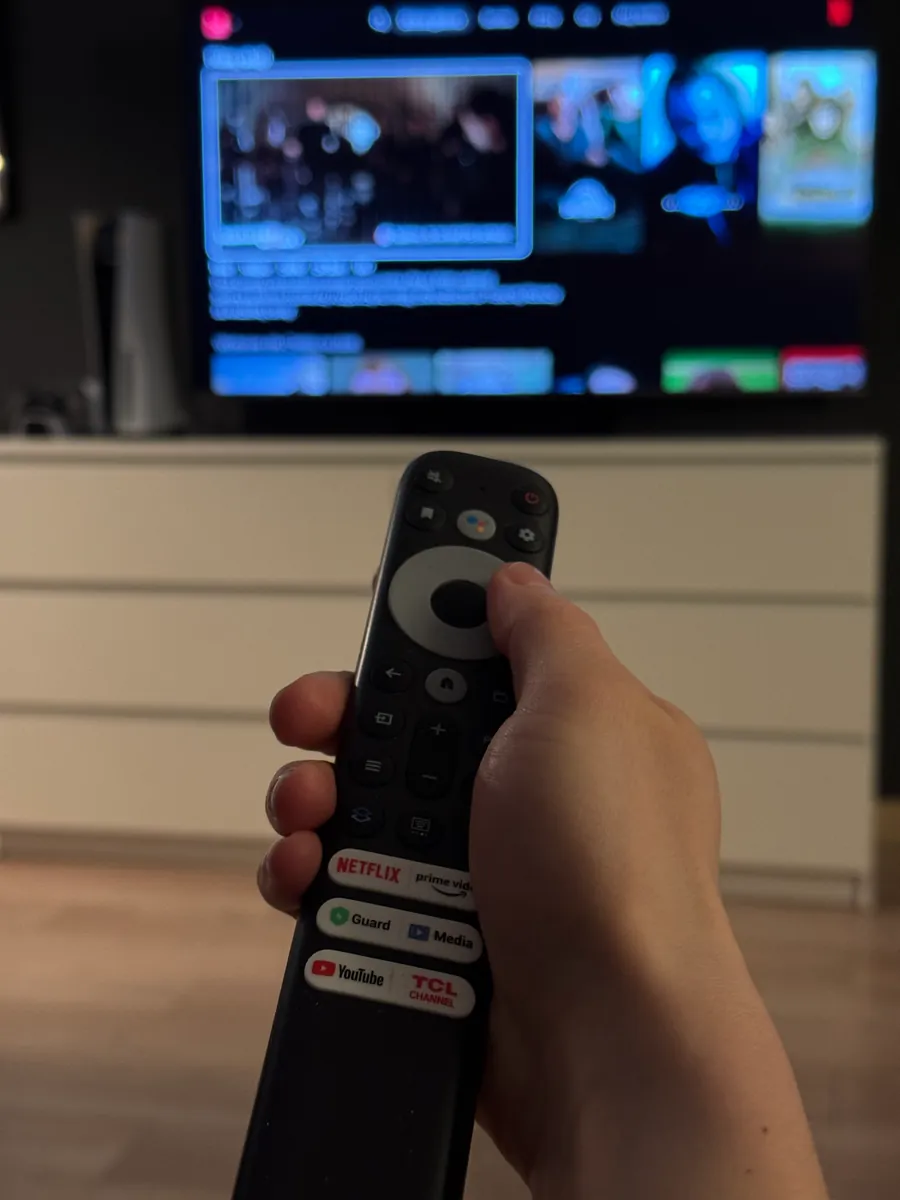
6:40 pm
You get home tired. The remote is on the sofa. Your running shoes are at the back of the hallway cupboard.
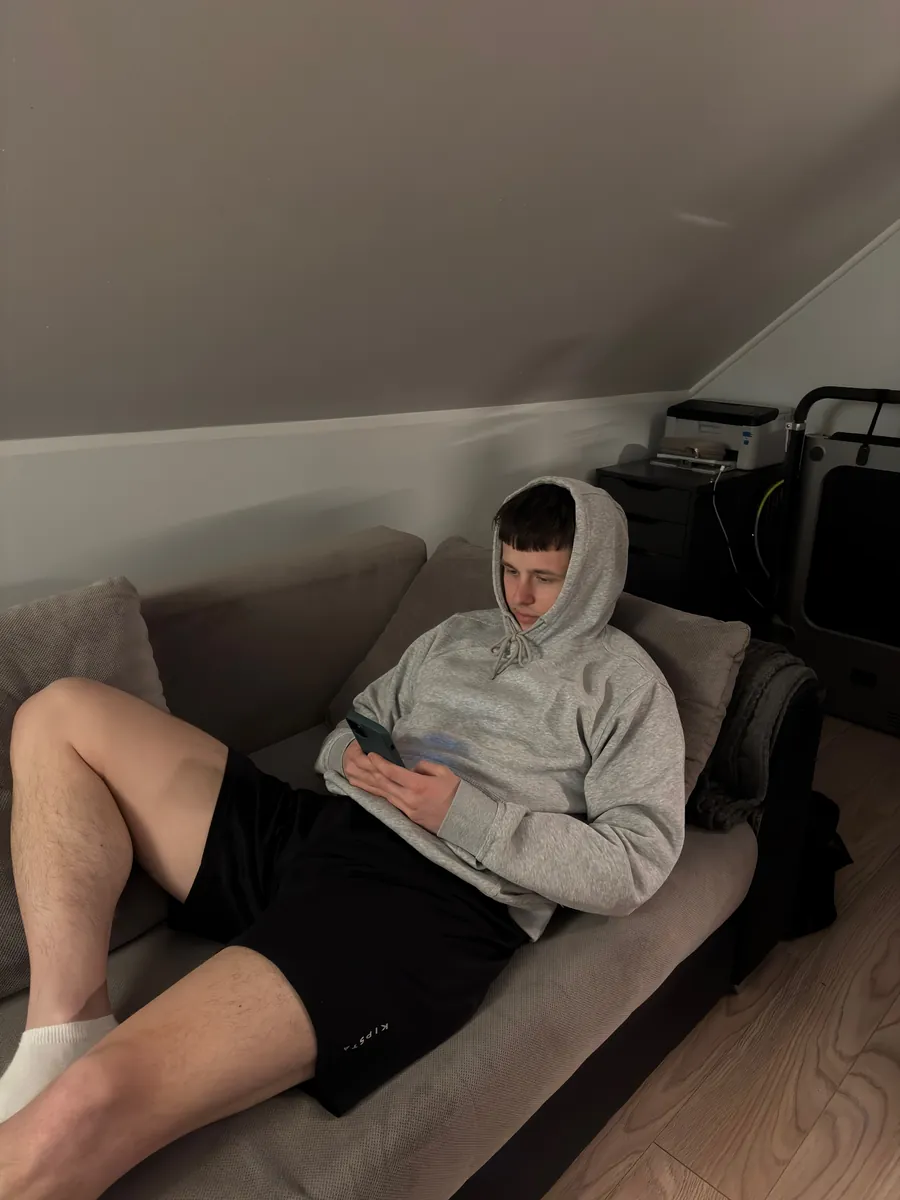
9:15 pm
The phone is in your hand before you've decided anything. The book is on a shelf in the other room.
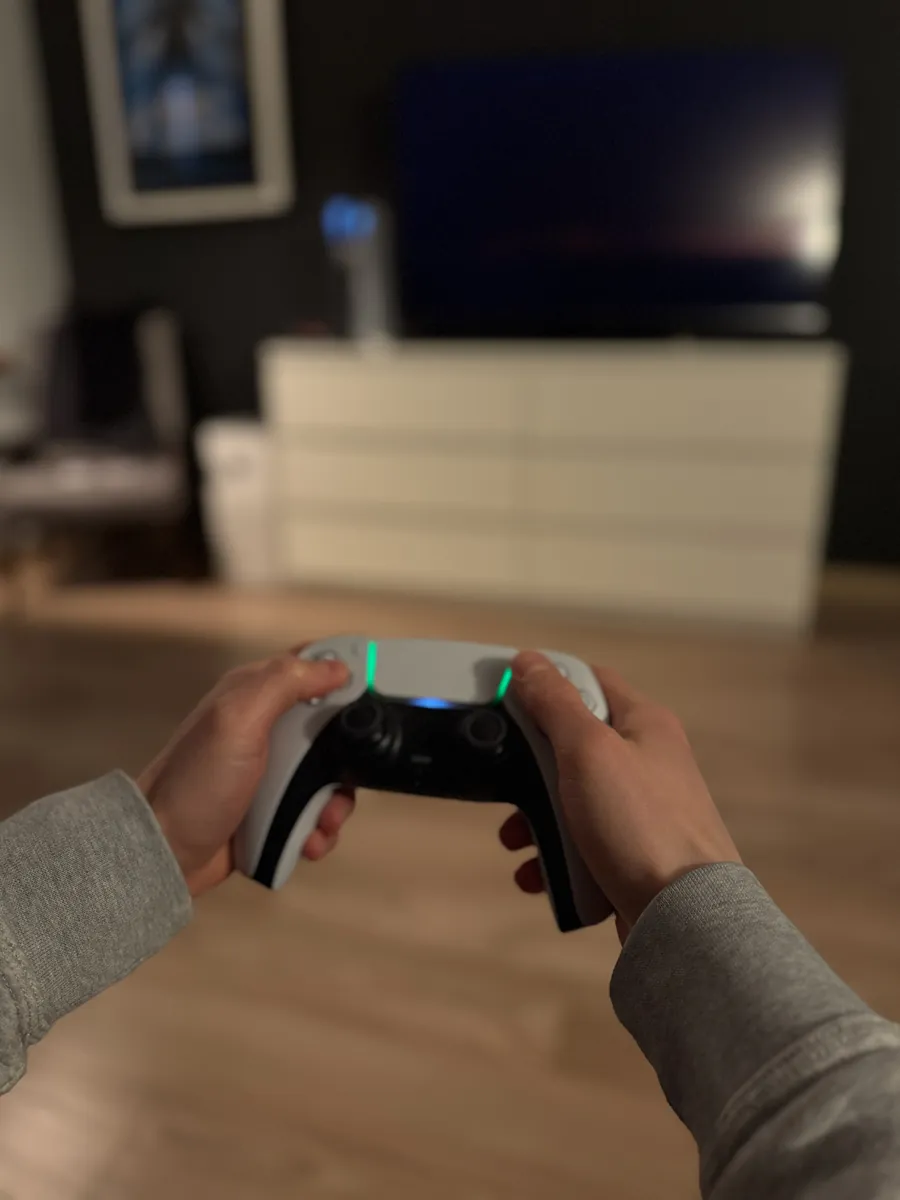
11:50 pm
The controller is still in your hands. Nothing in the room said run.

Four weeks later
The same plan every morning. The pile of books you meant to read hasn't moved.
At 6:40 there was no moment where you weighed the sofa against the run. The remote was within reach and the shoes were behind a door.
Why motivation doesn't last until evening
Motivation is a feeling, and feelings change with the hour. The plan is made by the version of you on the morning bus: rested, hopeful, far from the moment. The habit is due hours later, for a version of you that is tired and standing next to a sofa.
Researchers call the distance between those two people the intention-behaviour gap. When Ryan Rhodes and Gert-Jan de Bruijn pooled ten studies of physical activity with 3,899 people, close to half of those who intended to exercise at the recommended level did not follow through.
More motivation doesn't close that gap by itself. Thomas Webb and Paschal Sheeran collected 47 experiments in which researchers raised people's intentions and then measured what they actually did. On average, the change in behaviour was a little over half the size of the change in intention.
Motivation has never once made it out of bed with me.
What starts a habit instead
The psychologists Wendy Wood and David Neal describe a habit as a link between an action and the context it usually happens in, such as a place or the thing you did just before. Do it there often enough and being there is what starts it. You don't have to want it first. Nobody needs motivation to brush their teeth. Standing at the sink is enough.
A cinema experiment shows how strong that link can be. Neal, Wood and their colleagues handed moviegoers popcorn that was either fresh or stale. People with a strong habit of eating popcorn at the movies ate about as much of the stale popcorn as of the fresh, and their hunger and how much they liked the food barely mattered. That only held in the cinema, the place where the habit lived. Outside it, freshness mattered again.
So the same habit can run on autopilot in one place and need a decision in another. You can't order up a mood at 6:40 pm, but you can change what is in the room.
Why phone reminders are not enough
The obvious fix is a reminder on your phone. It works, but not the way you'd hope.
Katarzyna Stawarz, Anna Cox and Ann Blandford at UCL asked people to text a description of their lunch every day for four weeks. Some got a text reminder every afternoon. Others were told to send the message as soon as they finished eating, which tied the task to lunch itself. Of the 133 people who signed up, 96 finished. The reminder groups sent the most messages. But when the researchers measured how automatic the texting had become, the reminder groups scored lowest. The highest score belonged to a group that tied the texting to lunch. The reminder got the task done for as long as the reminder kept coming. It didn't turn the task into a habit. It was one small study with an easy task, and most of its volunteers were students.
My own take, not the researchers': a phone reminder is a cue you can dismiss for free. You swipe it away and the room looks exactly as it did before.
The rule behind it: Make it obvious
Working with cues on purpose is older than any habit book. Wood and Neal close their model with what it means for changing habits, and much of it comes down to managing which cues you run into. The psychologist Peter Gollwitzer added the timing with implementation intentions, Gollwitzer's term for plans in an if-then form, where a specific situation triggers a specific action. You decide once which moment starts the habit, instead of deciding again every evening. In 2006 Gollwitzer and Paschal Sheeran combined 94 independent tests of such plans and found a medium-to-large effect on reaching goals.
James Clear's Atomic Habits (2018) later brought the idea to a wide audience as "make it obvious", the first of the book's four laws. In the story above, the first cue you ran into was the remote.
How to be consistent without motivation in 5 steps
- Decide when, not just what. Finish this sentence for one habit: "When I ___, I will ___." Use a moment that already happens every day, for example "When I take off my work shoes, I put on my running shoes." That is Gollwitzer's if-then plan, written for one habit.
- Put the habit in your path. Leave the thing you need where you will physically run into it at that moment: the notebook on your pillow, the mat already rolled out by the bed, the shoes where your feet land when you get out of bed. If you have to move it to carry on with your evening, it's doing its job.
- Move the competition out of sight. The nearest cue tends to win, as the remote did in the story. Charge the phone in the kitchen, put the remote in a drawer, unplug the console and put the cable away. You don't have to throw anything out. It's enough that you can't see it from where the habit happens.
- Keep the cue in the same place every day. A habit grows out of the same action repeated in the same context. A mat that lives in a different corner each day is one you have to look for, and looking for it means deciding again.
- Treat reminders as a backup, not the plan. If you set one, time it for the moment of your cue and aim to stop needing it. The goal is a habit that starts when you walk into the room.
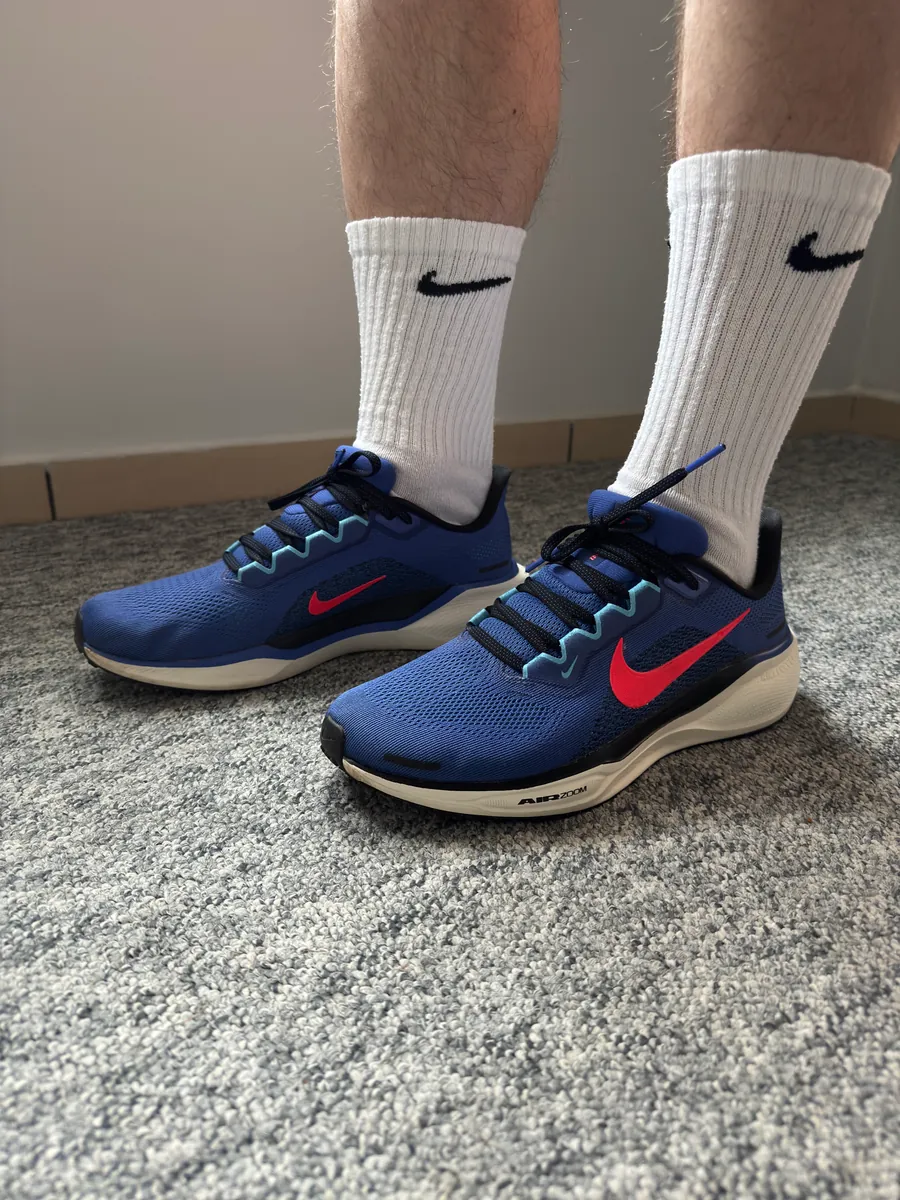
Examples: cues you can set up tonight
| Habit | Where it usually lives | The cue that replaces it | What to move out of sight |
|---|---|---|---|
| Running | Shoes at the back of the hallway cupboard | Shoes and socks on the bedroom floor, where you'll step on them in the morning | The phone, charging in the kitchen overnight |
| Reading | One book on a shelf with fifty others | Tonight's book lying on top of the TV remote | The remote, in a drawer once you've picked up the book |
| Stretching | A mat rolled up behind the wardrobe | The mat rolled out by the bed, the roller already on it | The laptop, closed and put away after 9 pm |
| Studying | Notes in a backpack | Notes open on the desk at the right page, set out before you leave in the morning | The console, unplugged with its cable in a drawer |
| Learning a language | An app in a folder on your third screen | That app on your home screen, in the spot your most-used social app had | The social app, moved into a folder |
| Journaling | A notebook in a drawer | Notebook and pen on your pillow, so you have to move them to go to bed | The phone charger, moved out of the bedroom |
When it doesn't work
- When the cue turns into wallpaper. A note on the fridge can work for a week and then become part of the fridge. If you have stopped noticing a cue, move it or change it. A cue that blocks your way is harder to ignore than one that only sits in view.
- When the habit itself feels too big. A cue can get you to the mat. It can't make an hour-long workout feel small at 9 pm. Shrink the first version until starting is the easy part.
- When your days have no fixed shape. Shift work and travel break cues tied to a time or a room. Tie the habit to something that travels with you instead, such as your first coffee or brushing your teeth.
- When skipping still costs nothing. A cue gets you to the start line, but it doesn't make walking past it feel like anything. If you step over the shoes every evening anyway, the problem is reward and cost, which is what my post on why habits die in the second week is about.
- When it isn't about cues at all. If you suspect ADHD, depression or burnout is behind it, rearranging your room won't fix that, and it isn't a willpower problem either. Talk to a professional.
How I do it myself
I am the reminder study in person. My morning alarms go off at 8:30, 8:35, 8:40, 8:45, 8:50 and 8:52, and I have never once got up on the first one. For months my Stretching reminder went the same way: it fired, I ignored it, and the bench stayed empty.
So I stopped leaving Stretching to the phone. The mat now stays rolled out on the floor next to my bed, with the foam roller and the bands on top, and I have to step over it to get into bed. Stepping over a mat at 11 pm and pretending I haven't seen it is harder than swiping away a notification. It still doesn't happen every day, but it no longer depends on me remembering.
The other half is what happens when I ignore a cue anyway. In Habit Bank, a scheduled habit I skip takes points off when the day closes, so swiping the reminder away is no longer free.
I didn't get disciplined. I made skipping cost me.
Frequently asked questions
›How do you stay consistent when you have no motivation?
Stop counting on how you feel at the moment the habit is due. Decide in advance when and where you will do it, leave the thing you need in your path at that moment, and move the competing temptations out of sight. Motivation is enough to make the plan. The cue is what gets you started.
›Is discipline better than motivation?
For a daily habit, neither is something to count on every evening. Habit research suggests that once a habit has formed, a cue in your surroundings starts it without a goal or an effort of will in between. So the useful work is setting up that cue, not trying to feel like it or force yourself.
›What does 'make it obvious' mean?
It is the first of the four laws in James Clear's Atomic Habits. Make the cue for a habit easy to notice when you should act. The idea is older than the book. Wendy Wood and David Neal described habits as started by cues in your surroundings, and Peter Gollwitzer studied if-then plans that tie an action to a moment.
›Do habit reminders on your phone work?
They help you repeat a task while they last, but they may not make it automatic. In a four-week UCL study, people who got a daily text reminder did the task most often, yet rated it the least automatic. Linking the task to an existing moment, finishing lunch, built the most automatic habit.
›What is an implementation intention?
A plan in the form if this, then that. When a specific moment arrives, you do a specific thing, for example when I take off my work shoes, I put on my running shoes. A 2006 meta-analysis of 94 tests found that such plans had a medium-to-large effect on reaching goals.
Make a skipped day visible
Habit Bank gives every habit two numbers, points for doing it and a penalty for skipping it, so a skipped day never quietly disappears. Free on iOS.
More habit techniques

Paweł, creator of Habit Bank
Paweł Konieczny is a software developer from Poland and the creator of Habit Bank, the habit tracker that takes points away when you skip.
Sources
- Rhodes, R. E., de Bruijn, G.-J. (2013). How big is the physical activity intention–behaviour gap? A meta-analysis using the action control framework. British Journal of Health Psychology, 18(2), 296–309.
- Webb, T. L., Sheeran, P. (2006). Does changing behavioral intentions engender behavior change? A meta-analysis of the experimental evidence. Psychological Bulletin, 132(2), 249–268.
- Wood, W., Neal, D. T. (2007). A new look at habits and the habit-goal interface. Psychological Review, 114(4), 843–863.
- Neal, D. T., Wood, W., Wu, M., Kurlander, D. (2011). The pull of the past: When do habits persist despite conflict with motives? Personality and Social Psychology Bulletin, 37(11), 1428–1437.
- Stawarz, K., Cox, A. L., Blandford, A. (2015). Beyond self-tracking and reminders: Designing smartphone apps that support habit formation. Proceedings of CHI 2015, 2653–2662.
- Gollwitzer, P. M. (1999). Implementation intentions: Strong effects of simple plans. American Psychologist, 54(7), 493–503.
- Gollwitzer, P. M., Sheeran, P. (2006). Implementation intentions and goal achievement: A meta-analysis of effects and processes. Advances in Experimental Social Psychology, 38, 69–119.
- Clear, J. (2018). Atomic Habits. Avery.